
Peru Runoff Election Results: A Technical Tie and Electoral Uncertainty
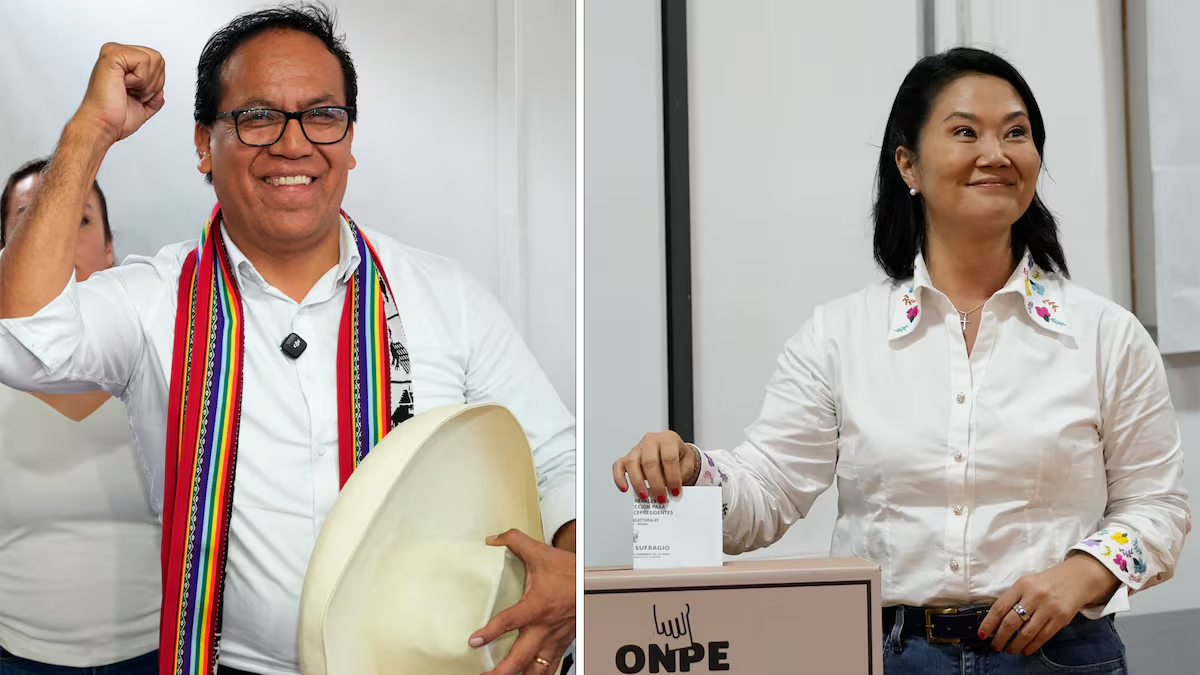
Following Sunday’s presidential runoff election for the 2026–2031 term, Peru finds itself in an exceptionally close race between candidates Keiko Fujimori (Popular Force) and Roberto Sánchez (Together for Peru). With 93% of ballots counted by the National Office of Electoral Processes (ONPE), the margin stands at just 36,000 votes, keeping the contest within the range of a technical tie.
Although the preliminary results give Fujimori a slight lead (50.1% versus 49.9%), the trend in recent hours has favored Sánchez as votes from rural areas continue to be counted. A final outcome may take several days, as approximately 1.2 million votes remain to be tallied and nearly 500,000 challenged or contested ballots still require review. The official certification of the winner will be the responsibility of the National Jury of Elections (JNE), a process that is expected to conclude sometime in July.
A Fragmented Bicameral Congress
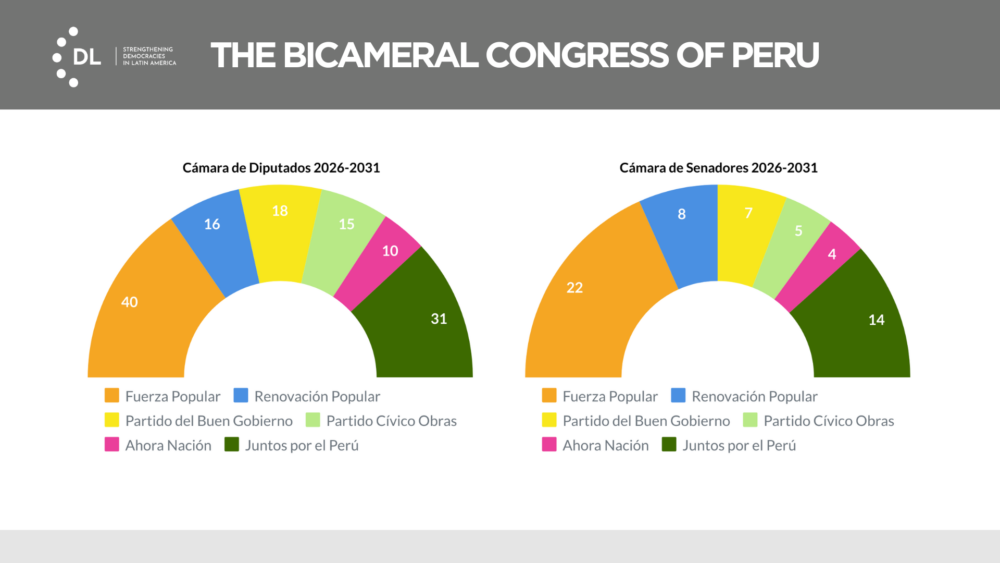
Regardless of who ultimately wins the presidency, the next administration will have to govern alongside a bicameral Congress (130 deputies and 60 senators) characterized by the absence of an absolute majority.
Popular Force has emerged as the largest minority bloc in both chambers, which would provide Fujimori with significant legislative support if she succeeds in securing backing from ideologically aligned groups such as Popular Renewal. Roberto Sánchez, meanwhile, would face a more challenging position, requiring broader coalition-building efforts with parties such as the Civic Works Party and Now Nation.
In this political landscape, the Good Governance Party (center) is expected to play a pivotal role in ensuring governability and helping build the legislative majorities necessary to pass key legislation.